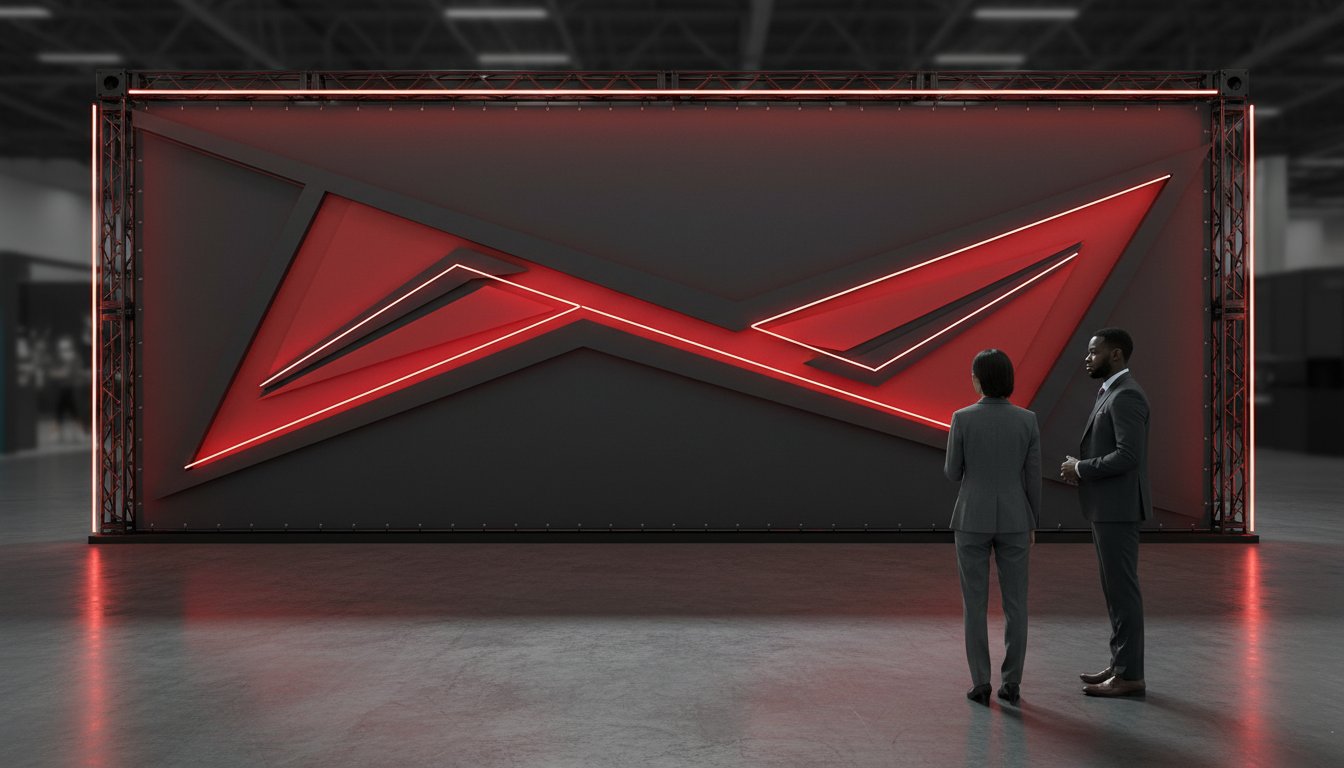
A single wrinkle in your trade show backdrop can undermine a six figure booth investment in seconds. While many brands focus solely on graphics, the real difference between a premium presence and a budget look lies in the tension of the fabric and the engineering of the frame. You've likely felt the pressure of tight setup windows or the stress of wondering if your display meets the strict B1 fire ratings required in Germany. It's a common hurdle for teams moving between North American and European circuits.
We understand that your goal is a seamless, high-end appearance that lasts for multiple show seasons without the logistical headaches. According to the 2023 Center for Exhibition Industry Research report, 45% of attendees form their first brand impression based solely on booth aesthetics. This guide provides the technical roadmap you need to secure a durable, compliant asset. We'll detail how to choose the right tech, manage global shipping, and ensure your brand anchors every hall you enter. Learn how to compare your options and find the right partner to simplify your next international build.
Key Takeaways
- Compare the weight and durability of tension fabric, SEG, and hard panels to find the optimal technology for your international show calendar.
- Navigate complex global logistics by mastering the B1 and M1 fire safety certifications required for European exhibition venues.
- Maximize your brand’s visual impact using the "3-second rule" to optimize your trade show backdrop for high-traffic environments.
- Transform standard displays into multi-functional environments by integrating 3D lettering and layered depth into your custom stand design.
The Strategic Role of a Trade Show Backdrop in 2026
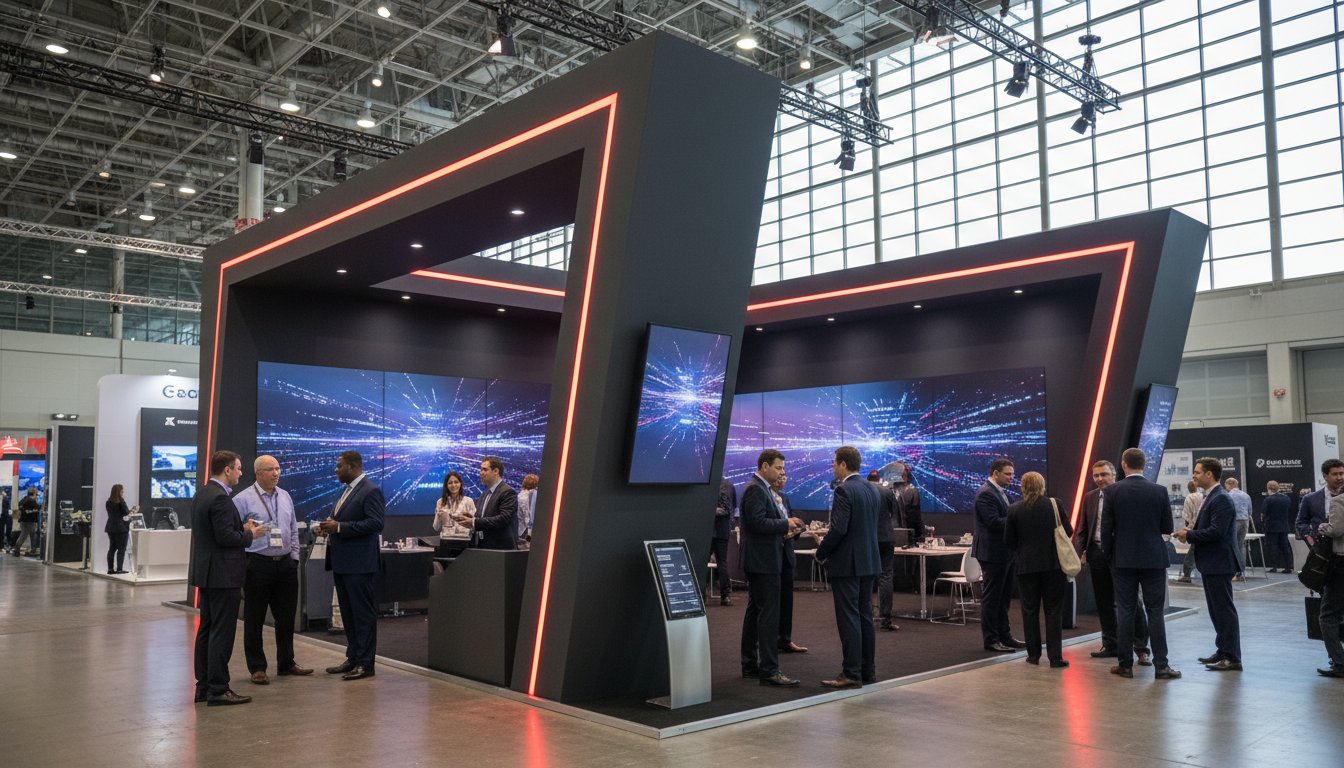
The trade show backdrop functions as the primary visual anchor of your entire exhibit environment. It acts as the structural foundation that defines your space, separating your brand from the surrounding noise of the hall. In 2026, the back wall is no longer just a surface. It's your most valuable real estate for brand storytelling. Data from 2025 industry reports shows that exhibitors utilizing full-scale architectural backgrounds see a 22% higher engagement rate compared to those using fragmented displays. A seamless, high-definition background creates a psychological sense of stability and authority. It signals to visitors that your company is established and reliable.
Successful exhibit design requires a shift from viewing the background as a passive element to seeing it as an active participant in your sales funnel. A comprehensive Trade Show Overview reveals that the primary goal of any event is to facilitate face-to-face interaction. Your backdrop sets the stage for these interactions. High-resolution graphics and tension fabric systems eliminate distracting seams, ensuring your message remains the focal point. This level of visual precision directly impacts visitor trust. When the environment looks professional, your premium pricing feels justified before a single word is spoken.
Backdrop vs. Banner: Understanding the Difference
Backdrops provide a "built-in" look that portable pull-up banners can't replicate. While banners are functional for small local events, a professional trade show backdrop offers the structural integrity required for international exhibitions. Modern architectural fabric structures are the standard for 2026. These systems use lightweight aluminum frames and silicone edge graphics (SEG) to create massive, flat surfaces. They define your exhibit space with scale and perspective, making a standard booth feel like a bespoke stand.
Key Business Objectives Served by Your Backdrop
Your background should work as hard as your sales team. It serves three critical functions:
- Brand recognition: Place your logo at the highest point to ensure it's visible from the main aisles. This helps attendees find your booth in crowded venues like those in Frankfurt or Las Vegas.
- Lead generation: Use bold, high-contrast visuals as a "hook" to spark conversation starters. A 2025 case study showed that backdrops with a single, clear value proposition increased scan rates by 15%.
- Professionalism: High-quality finishes and tensioned fabrics demonstrate market leadership. It differentiates your brand from competitors who rely on dated, wrinkled vinyl.
To secure the best results for your next event, find a partner that understands these technical requirements. You can compare options from a global contractor network to find the right fit. Requesting five free quotes allows you to evaluate different materials and printing technologies. This process ensures your final choice aligns with both your aesthetic goals and your logistical requirements for a hassle-free experience.
Comparing Backdrop Technologies: Tension Fabric, SEG, and Hard Panels
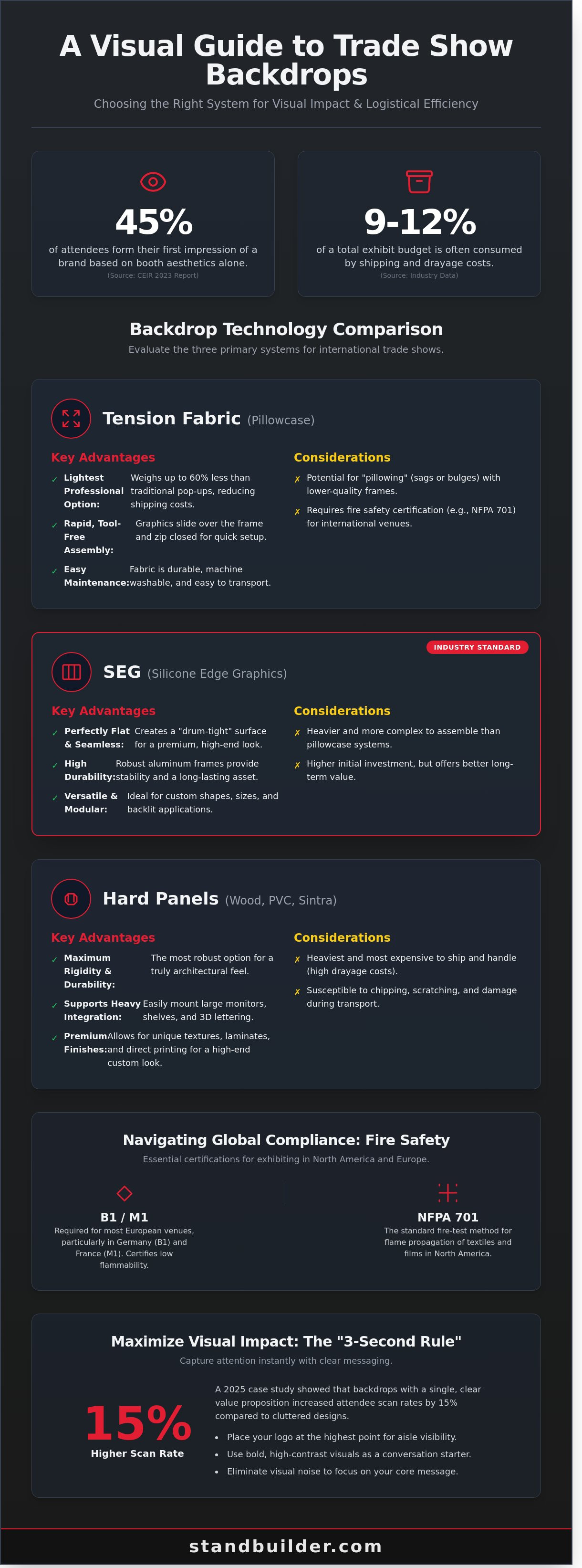
Selecting the right trade show backdrop requires a balance between visual impact and logistical efficiency. Industry data suggests that shipping and drayage costs often account for 9% to 12% of an exhibitor's total budget. Choosing a technology that aligns with your show frequency and booth size is critical for maintaining a sustainable ROI. Contractors now focus on three primary technologies to meet these needs.
Tension Fabric and Pillowcase Displays
Tension fabric systems utilize high-stretch polyester graphics pulled over an aluminum tube frame. The "pillowcase" design allows the graphic to slide over the structure and zip closed at the bottom. These are the lightest professional options available; they often weigh 60% less than traditional pop-up displays. Assembly is fast and doesn't require tools. While the fabric is machine washable and easy to transport, lower-quality frames can result in "pillowing." This is where the graphic sags or bulges in the center. To ensure compliance at international venues, verify that your materials meet NFPA 701 fire safety standards before shipping.
SEG (Silicone Edge Graphics) Systems
SEG is the current industry standard for high-end modular booths. This technology uses a thin silicone strip sewn directly into the edges of the fabric. You press this strip into a recessed groove on a heavy-duty aluminum extrusion frame. The result is a drum-tight, wrinkle-free finish that mimics the look of a solid wall. SEG systems are highly versatile. You can expand a 10-foot trade show backdrop into a 20-foot display by adding frame sections. This modularity allows exhibitors to scale their presence while reusing 80% of their existing hardware. It's the preferred choice for brands that want a bespoke look without the weight of traditional timber.
Traditional Hard-Panel Backdrops
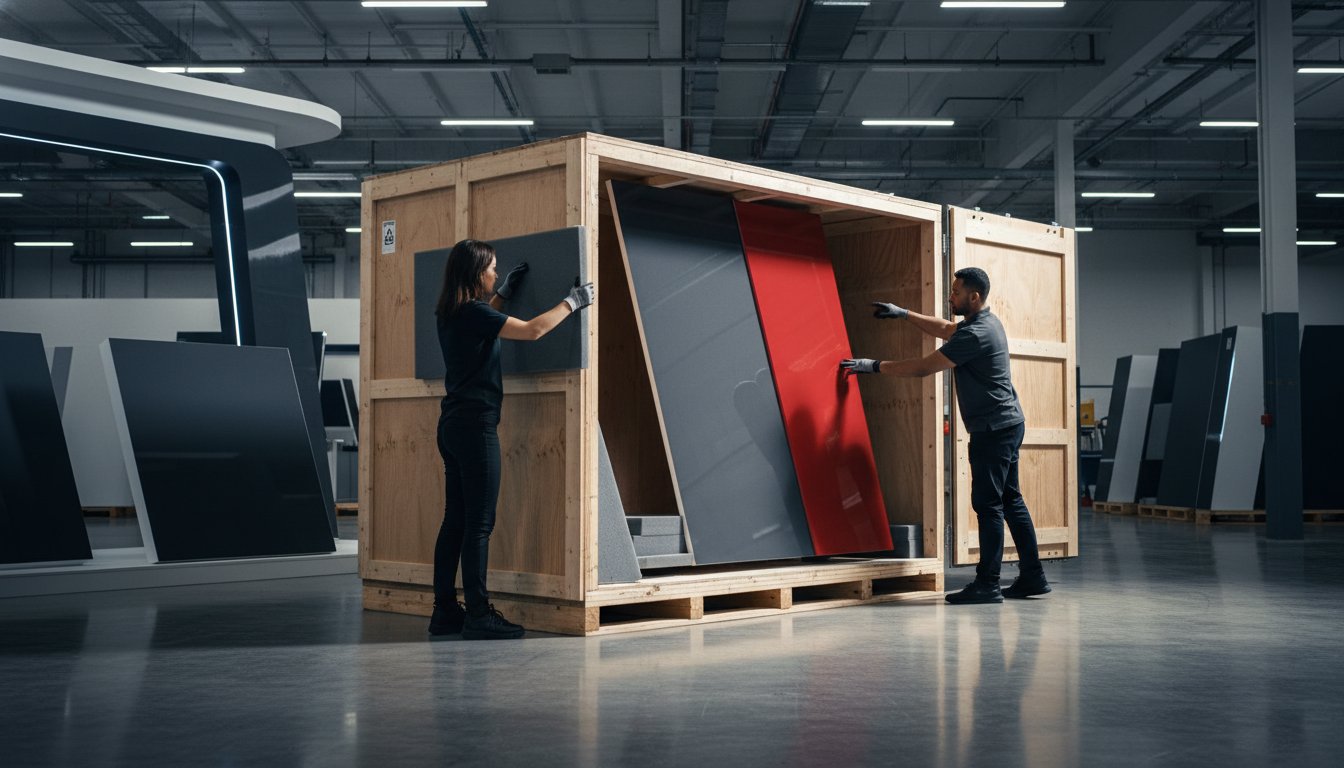
Hard panels made of wood, MDF, or PVC provide a permanent, premium feel that fabric cannot fully replicate. These systems are essential when your design includes heavy AV equipment, such as 55-inch monitors, or integrated shelving for heavy products. They offer maximum durability for long-term use. However, the logistical trade-offs are significant. Hard panels require specialized crates and professional labor for installation. Shipping costs are typically 40% higher than fabric alternatives due to the volume and weight. If you're planning a complex layout, you can find expert contractors to help you compare the total cost of ownership between these systems.
- Tension Fabric: Best for solo exhibitors and frequent domestic travel.
- SEG Systems: Ideal for modular growth and a high-end, flat aesthetic.
- Hard Panels: Necessary for structural integrity and custom "built-in" features.
Global Compliance: Fire Safety and Logistics for International Backdrops
US firms exhibiting in Europe must adapt to the "Messebauer" mindset. This European approach to stand building prioritizes safety and structural precision over temporary aesthetics. If your trade show backdrop doesn't meet specific local codes, fire marshals in cities like Frankfurt or Paris will order its immediate removal. This isn't a suggestion; it's a hard requirement for entry into the hall. Managing these expectations requires a partner who understands the transition from American standards to European mandates.
Understanding International Fire Ratings
Fire safety is the most common hurdle for international exhibitors. While the US relies on NFPA 701, German venues strictly enforce DIN 4102-1 B1 standards. France and Italy often require M1 certification. You can't rely on verbal assurances or generic "flame retardant" tags. Inspectors require a physical, certified lab report dated within the last 12 months. Ensure your graphic producer provides this documentation in the local language of the host country. Without a B1 certificate, your fabric display is a liability that can shut down your entire presence. It's vital to request these documents during the design phase, not the week of the show.
Logistics and "Touring" Your Backdrop
Moving a custom trade show backdrop across borders is expensive and risky. Customs delays can stall a booth build for days, leading to frantic last-minute fixes. Standbuilder International solves this through a strategic Atlanta-Ratingen partnership. By utilizing local fabrication in Atlanta for North American shows and Ratingen for European events, you eliminate international shipping risks and heavy import taxes. A 2023 report from AUMA, the Association of the German Trade Fair Industry, indicates that logistics account for nearly 25% of total exhibiting costs. You can slash these figures with smarter planning.
- Design for a "crate-friendly" footprint: Use modular frames that break down into small, lightweight cases to lower drayage costs.
- Local Fabrication: Build in the region where you exhibit to avoid the uncertainty of international freight.
- Storage Solutions: Store graphics locally between event cycles to avoid repeated import duties and transit damage.
This dual-hub strategy ensures your materials are ready when the hall opens. Our network of vetted contractors understands the nuances of local labor laws and venue-specific rules. Don't leave your international debut to chance. Request five free quotes now to find a partner who bridges the gap between US design and European execution. This approach saves time and keeps your budget predictable throughout the entire event calendar.
Design Principles: Maximizing Visual Impact and Tech Integration
Success on the exhibition floor depends on the first 3 seconds of contact. Your trade show backdrop isn't just a wall; it's a high-speed communication tool. If a visitor can't identify your core offering from 20 feet away within that window, you've lost the lead. Effective design prioritizes high-contrast imagery and a singular, powerful message over cluttered lists of services. Use bold, large-scale visuals that draw the eye from across the hall before your competitors do.
Modern booth construction in 2026 focuses on invisible technology. This means mounting LED screens directly into the fabric framework to create a flush, seamless surface. By eliminating protruding brackets and visible wires, you maintain a clean architectural line that suggests premium quality and technical sophistication. This integration allows video content to feel like a living part of your graphics rather than an afterthought.
Backlit Trade Show Displays: The Stand Out Series
Internal LED illumination is no longer an upgrade; it's the industry benchmark. Data suggests that backlit graphics increase brand recall by 40% compared to traditional front-lit banners. To maximize this impact, designers must use high-density tension fabrics that diffuse light evenly without hot spots or shadow lines.
- Color Saturation: Use double-strike printing techniques to ensure colors remain vibrant when light passes through the textile.
- Power Management: Integrated channels within the aluminum extrusion hide all cabling, keeping the floor space clear and safe.
- Sustainable Design: Shift toward 100% recycled polyester fabrics to meet the growing demand for eco-certified exhibition materials.
2026 Graphic Trends and Minimalism
The trend for 2026 is radical clarity. Large-format displays often fail because they try to say too much. Keep your primary brand assets and hero messaging at eye level, typically between 4 and 7 feet from the floor. This placement ensures your message isn't blocked by furniture or staff standing in front of the trade show backdrop.
Use negative space strategically. A busy design creates visual fatigue, while generous white space directs the eye exactly where you want it to go. This minimalist approach conveys confidence. It tells the attendee that your brand is established enough to let the quality of the product speak for itself. For those ready to upgrade their presence in cities like Dubai, London, or Las Vegas, the right partner makes the difference.
Ready to source high-impact displays for your next event? Compare five free quotes from top-tier contractors today.
Beyond the Banner: Integrating Backdrops into Custom Stand Environments
A trade show backdrop is the architectural anchor of any successful exhibition presence. Standbuilder moves your brand beyond simple fabric walls by creating multi-functional environments that prioritize engagement. We specialize in transforming flat graphics into structural assets that define your space. Our contractors integrate double-decker elements and expansive country pavilions that maximize vertical visibility across the exhibition hall. This level of structural integration ensures your booth isn't just a location; it's a destination.
The Standbuilder advantage lies in end-to-end project management. We bridge the gap between initial concepts and on-site execution. Whether your next event is at the Georgia World Congress Center in Atlanta or the Messe Düsseldorf near Ratingen, our network provides local expertise. We handle the complex logistics of international shipping, local building codes, and on-site assembly. This global reach allows you to focus on your lead generation while we manage the technical details of your build. Our process ensures that your brand identity remains consistent regardless of the continent.
From 2D Graphics to 3D Brand Experiences
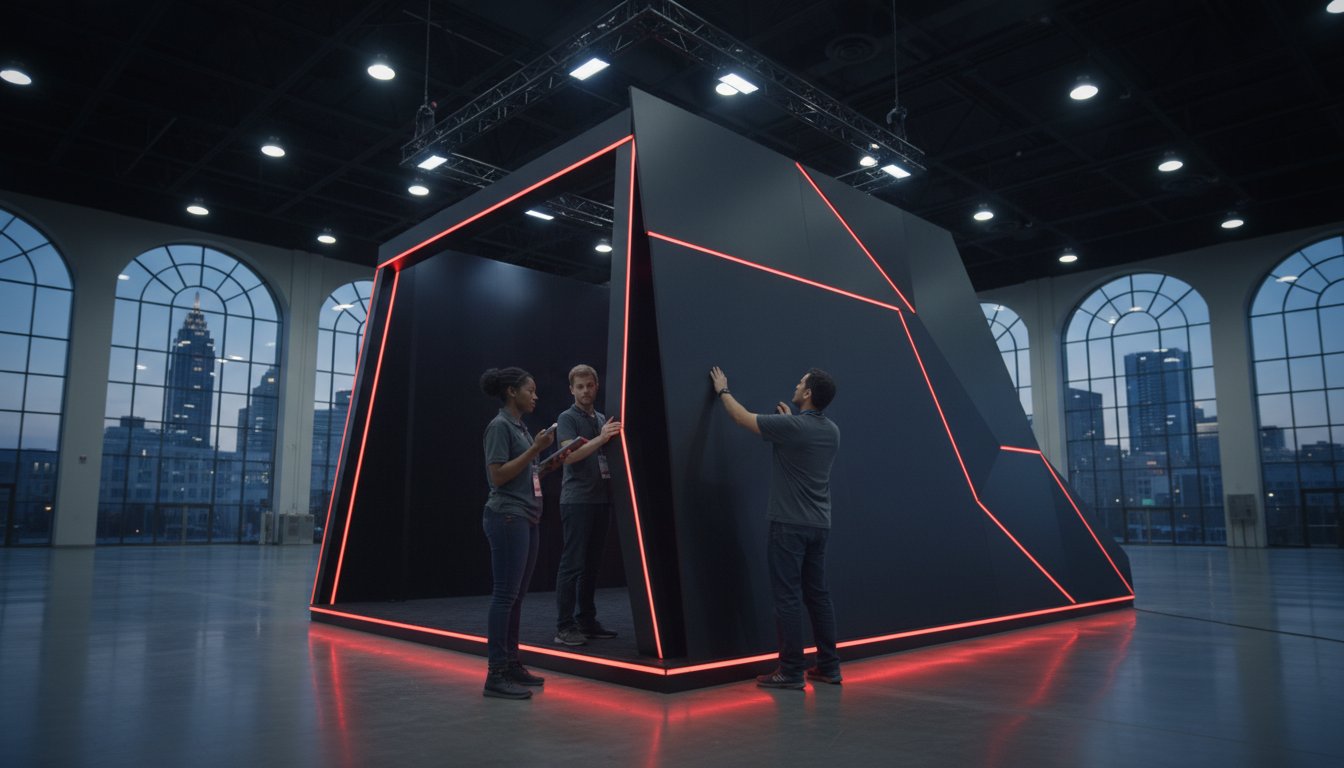
Static banners often fail to capture the premium nature of a modern brand. We enhance standard fabric walls by adding architectural lighting and tactile textures such as wood, metal, or stone. These elements create a sensory experience that encourages visitors to linger. By using curved or angled backdrops, you can create distinct "zones" within your booth for private consultations or interactive demos. You don't have to guess how these elements will look. Request a free 3D design to visualize your backdrop in situ and ensure every angle aligns with your marketing objectives.
The Procurement Process: Getting Your 5 Free Quotes
Standbuilder simplifies the RFP process for international exhibitors by removing the friction of finding reliable contractors. Instead of spending weeks researching vendors, you receive curated options tailored to your specific needs. Our platform allows you to compare bespoke fabrication for high-impact, one-of-a-kind designs against modular rental backdrops that offer cost-effective versatility. This data-driven approach helps you make an informed decision based on quality, price, and local capability. We provide the transparency you need to manage your budget effectively while maintaining high design standards.
Ready to elevate your presence? Request 5 free quotes for your custom trade show backdrop and secure a partner that understands the demands of the global exhibition industry.
Master Your Next International Exhibition
Success on the 2026 trade show floor requires more than a simple display. It demands a sophisticated trade show backdrop that balances SEG technology with strict international fire safety codes. You've learned how modular systems and tension fabrics reduce shipping costs while maximizing visual impact across global borders. Managing these technical details shouldn't distract you from your sales targets. Our strategic Atlanta-Germany partnership brings over 25 years of international exhibition expertise directly to your project. We simplify the procurement process by providing free 3D design services and dedicated technical project management for every client.
Don't let complex logistics or compliance hurdles slow your brand's momentum. You can access a vetted network of contractors ready to bring your vision to life. Get 5 free quotes for your custom trade show backdrop from our global network today. It's time to transform your technical requirements into a high-performing brand environment that resonates in any city worldwide. We're ready to help you make a lasting impression at your next event.
Frequently Asked Questions
What is the standard size for a trade show backdrop?
The standard size for a trade show backdrop depends on your booth dimensions, with 10x10 feet (3x3 meters) and 10x20 feet being the most common industry benchmarks. In North America, backdrops typically stand 8 feet tall to comply with standard pipe and drape height limits. European venues often allow for taller structures, frequently reaching 2.5 meters or 3 meters depending on specific hall regulations and organizer manuals.
How do I ensure my trade show backdrop meets fire safety regulations in Europe?
You must confirm your materials carry the EN 13501-1 certification or the German DIN 4102 B1 rating, which are the primary fire safety standards for European exhibitions. Ask your supplier for a physical certificate to present to the venue fire marshal during build-up. Most major European venues, such as Messe Frankfurt or Fira Barcelona, require these documents before they'll allow any fabric installations on the show floor.
Can I reuse my backdrop graphics on different frame systems?
Graphics are rarely interchangeable between different frame systems because each manufacturer uses proprietary tensioning methods or specific channel depths. A Silicone Edge Graphic (SEG) designed for a 40mm profile won't fit a 50mm frame properly. You'll also encounter issues if the fabric stretch percentage doesn't match the frame's exact outer dimensions. It's best to stick with one modular system to ensure a professional fit every time.
What is the best material for a wrinkle-free trade show backdrop?
Tension fabric made from a heavy-duty polyester and spandex blend is the superior choice for a smooth trade show backdrop. This material stretches tight across the frame, which pulls out fold lines and creates a crisp, professional surface. Use dye-sublimation printing to ensure the ink bonds with the fibers. This process prevents the image from cracking or peeling when you fold the fabric for transport between international events.
How much does a custom trade show backdrop cost to design and build?
Pricing for custom backdrops varies based on material quality, frame complexity, and integrated technology like LED lighting. According to industry data from Exhibitor Magazine, graphics and hardware typically account for 10% to 15% of a total booth budget. You'll find that bespoke aluminum frames with high-resolution fabric prints require a higher initial investment than standard pop-up displays. Request five free quotes through our platform to compare current market rates.
Can I integrate an LED screen directly into my fabric backdrop?
You can integrate LED screens by using modular frame systems that support cut-out sections for flush-mounted displays. Modern beMatrix or Aluvision systems allow you to replace a fabric panel with an LED skin of the exact same dimensions. This creates a seamless transition between static graphics and digital content. It's a highly effective way to attract foot traffic while maintaining a clean, professional aesthetic within your exhibition space.
How long does it take to manufacture and ship a custom backdrop internationally?
Standard production timelines range from 7 to 10 business days, followed by 3 to 5 days for international air freight. You should finalize your artwork at least 21 days before the show's move-in date to account for potential customs delays or courier issues. Shipping to major hubs like Las Vegas, Dubai, or London is generally faster, but rural locations or complex customs zones can add 48 hours to the delivery schedule.
Is it better to rent or buy a trade show backdrop for a one-time event?
Renting is the more efficient choice for one-time events because it eliminates long-term storage fees and expensive international shipping costs. Data shows that renting can save exhibitors up to 60% on logistics compared to purchasing and shipping hardware globally. If you plan to attend more than three shows per year with the same configuration, buying becomes the more cost-effective strategy. Compare your options carefully to find the best fit.